Vinted seller guide
Can you use AI photos on Vinted?
AI models, new backgrounds, better light: where Vinted draws the line, what its catalogue rules say, how it finds misleading photos, and what the EU AI Act changes.
On this page
- The short answer
- Can you use AI models on Vinted?
- What Vinted allows, and what it doesn’t
- Can Vinted detect AI photos?
- What happens if your AI photos mislead buyers
- Do you have to label AI photos on Vinted?
- Where the question came from
- Why sellers use AI model photos
- Five rules that keep your account safe
- The model is generated. The garment is yours.
- AI photos on Vinted: answered
The short answer
Yes, as long as the photo shows your real item exactly as it is. Vinted has told journalists that AI is fine for improving light, removing backgrounds and enhancing photos, as long as the product is accurately represented. What gets accounts suspended is misleading buyers: a different color, hidden flaws, or a fit the item doesn’t have. Vinted’s catalogue rules are stricter on paper (“no image editing is allowed”), so always add plain photos of the real item as well.
Try it on your photoHow AI model photos work
Can you use AI models on Vinted?
Yes, if the garment the AI model wears is your actual item. An AI-generated model photo made from a photo of your own garment presents the real thing; it doesn’t invent it. The line is crossed when the image changes the item: a brighter color, a pattern that isn’t there, a missing stain, or a tailored drape on a boxy cut. The same goes for AI backgrounds. Swapping a messy bedroom for a clean background is one of the uses Vinted named as fine.
What Vinted allows, and what it doesn’t
Vinted draws one line: the product must be accurately represented. Everything in the first column is fine. Everything in the second can get your account suspended.
Allowed
- Improving lightingCorrecting exposure and brightness so the garment reads clearly.
- Removing backgroundsCutting a busy room out of the shot and placing the item on a clean background.
- General enhancementTools that sharpen or clean up a photo of the real item.
“As long as the product itself is accurately represented.” Vinted, to NU.nl
Not allowed
- A garment that differs from the real productFabric, color or details in the image that don’t match the actual item.
- A fit that is not quite rightPresenting a drape or silhouette the garment doesn’t actually have.
- Hiding flaws or wearErasing stains, pilling or damage the buyer would see on arrival.
Misleading photos can lead to account suspension, enforced via automatic detection, moderators and user reports.
What Vinted’s catalogue rules say
Vinted’s catalogue rules don’t mention AI. They set the frame for every listing photo: photos “have to represent the item as it is - no image editing is allowed”, must be sharp, must be “taken by you with the purpose of using the photos on Vinted”, and “cannot be replaced with stock photos, photos from ads and watermarked images”. The first photo “should clearly represent the whole item”, and you can add up to 20 photos per listing.
Read next to Vinted’s own statements, the rule targets photos that misrepresent the item, not photos that present it better. Vinted said the same to Paris Match Belgique in August 2025: editing photos with AI is allowed in itself, as long as it doesn’t mislead the buyer. Because the written rule is strict, the safe setup is an accurate AI photo plus your own plain photos of the item, its label and any flaws.
Can Vinted detect AI photos?
Vinted says it combines automatic detection, human moderators and reports from users, but doesn’t explain how the detection works. What it looks for is misleading photos, not AI as such, and it says only a small portion of people on the platform use AI in a misleading way. Buyers are a detection layer too. Digital researcher Henk van Ess, who built the ImageWhisperer tool, told NU.nl what gives a generated image away:
Tell 01
Light from two directions
Real photos have one dominant light source. AI images often cheat: the face is lit from the left while the sleeve catches light from the right. Look at where shadows fall and whether the highlights agree with each other.
Tell 02
Stitches that dead-end
Seams on real garments run edge to edge. AI models invent stitching that starts confidently and then dissolves into the fabric, or a hem that simply stops halfway across the garment.
Tell 03
Prints that ignore folds
A pattern on real fabric bends, compresses and disappears into creases. A classic AI tell is a print that runs straight across a fold as if the fabric were flat paper.
Tell 04
Label letters that are almost right
AI gets close on text but rarely perfect. Brand tags and care labels with letters that are slightly melted, mirrored or one stroke off are among the strongest giveaways.
Tell 05
No signs of wear
Secondhand clothing has a history: pilling, fading, a softened collar. A “used” item that looks factory-fresh deserves a second look.
Tell 06
Stripped metadata
Photos carry hidden data about how they were made, and AI generators leave traces there. Platforms strip that data on upload. Van Ess argues they should stop, because the metadata could prove where an image came from.
Tells as described by Henk van Ess in the NU.nl investigation. No single tell is proof; look for patterns.
What happens if your AI photos mislead buyers
Two things. A buyer who receives an item that doesn’t match the photos opens a case or sends it back, which costs you the sale and your ratings. And Vinted says misleading photos can lead to account suspension. AI entrepreneur Remy Gieling made the commercial point in the same NU.nl piece: AI images often contain small errors, and sellers shoot themselves in the foot with them. The platform’s rule and your own interest point the same way: use AI to present the garment well, never to present it differently.
Do you have to label AI photos on Vinted?
Vinted has no labeling rule for sellers. The European AI Act’s transparency rules have applied since 2 August 2026, and they put the labeling duty on tool makers and image creators rather than on the marketplace.
- 1
The rule
Since 2 August 2026, the European AI Act requires AI-generated imagery on digital platforms to be clearly identifiable as AI-made.
- 2
Who must label
The duty falls on the makers of AI tools and on the people who generate the images, not on the platform where the image ends up. Instagram already labels some AI images.
- 3
The open question
Enforcement is unclear. As Van Ess puts it: there is no AI police. National regulators, not Brussels, would pursue cases, and a private seller with one enhanced photo is unlikely to ever hear from one.
Where the question came from
On 30 July 2026, Dutch tech journalist Rutger Otto at NU.nl reported that Vinted sellers were dressing AI-generated models in the clothes they list, so they never have to stand in front of a camera themselves. Vinted acknowledged it happens without releasing figures, and gave the policy above. The story drew hundreds of reader comments and landed days before the EU AI Act’s labeling rules took effect.
“With secondhand purchases on the internet, the photo is the evidence. You cannot feel it yourself; there is only a picture and a price.”
Henk van Ess, digital researcher, in NU.nl
Why sellers use AI model photos
01 · Privacy
Not everyone wants their body on the internet.
Many sellers, and women in particular, say they are uncomfortable posting photos of themselves wearing the clothes they sell. Unwanted messages from strangers are a real concern on resale apps. An AI model shows how a garment fits without putting the seller in the picture.
02 · Time and space
No mirror, no light, no spare hour.
Sellers tell us the photo is where good clothes get stuck: a great jacket with a dark, messy photo never sells and eventually gets donated or binned. When a listing takes minutes instead of an awkward mirror session, more of the wardrobe gets resold.
03 · Presentation
The photo is the evidence.
On a secondhand app the photo is the first thing buyers judge, and often the only evidence they have. An on-model photo answers what a hanger can’t: how it fits, how long it is, how it drapes.
Seller motivations as reported to Vintefy and in community discussions. Individual experiences vary.
Five rules that keep your account safe
- 1
Keep the garment accurate
The item in your AI photo must be the item the buyer receives. Same color, same fabric, same details.
- 2
Never hide flaws
Photograph stains, pilling and wear honestly, and include those shots in the listing.
- 3
Show the real item too
Pair your on-model photo with plain photos of the actual garment, including the label, so buyers can check its condition.
- 4
Don’t fake the fit
A size M shown draping like a tailored piece invites a return, and returns hurt your account.
- 5
Say so when you can
With the EU AI Act in force, labeling AI imagery is becoming the norm. A short “model photo made with AI” in the description builds trust.
The model is generated. The garment is yours.
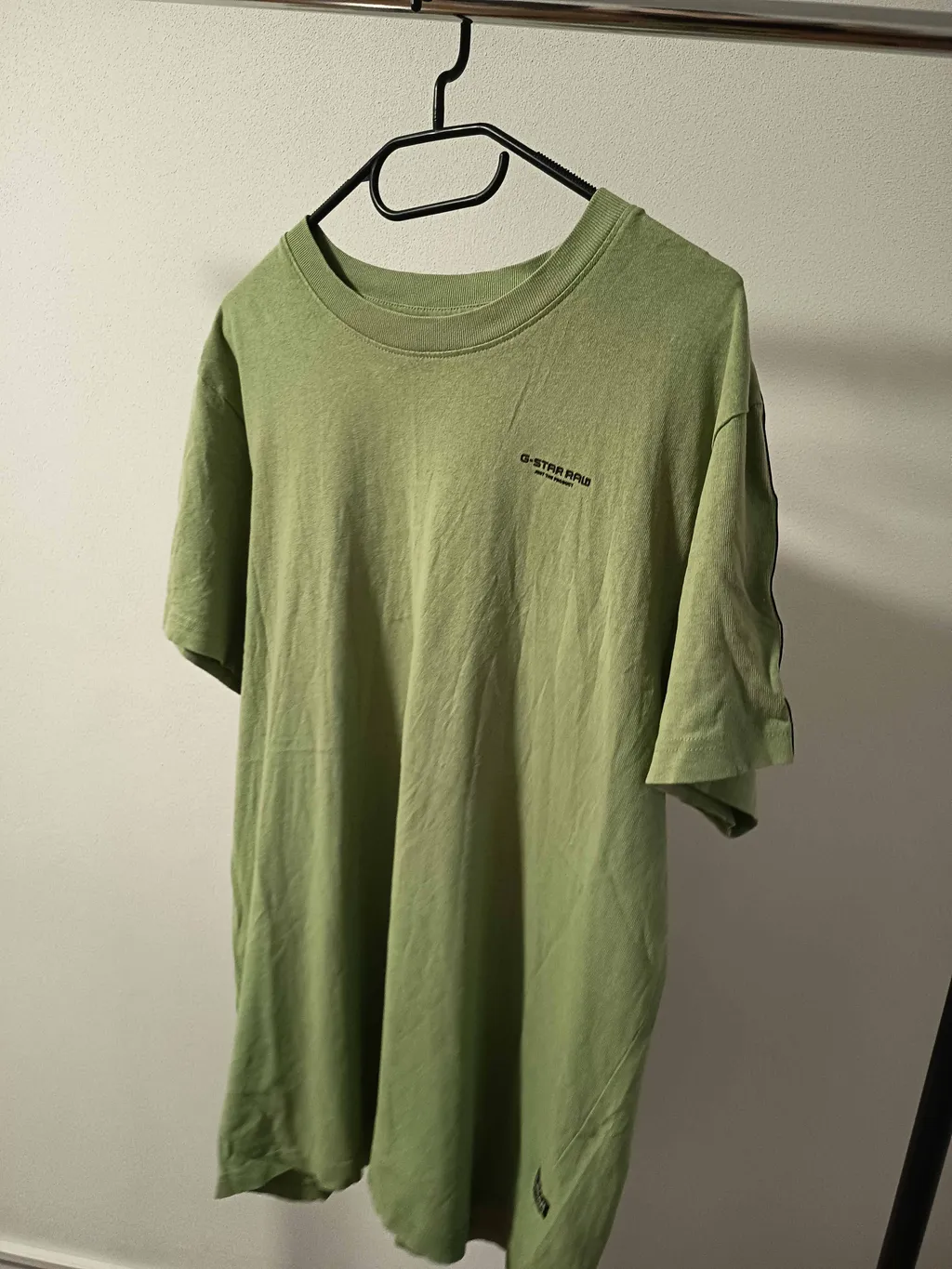
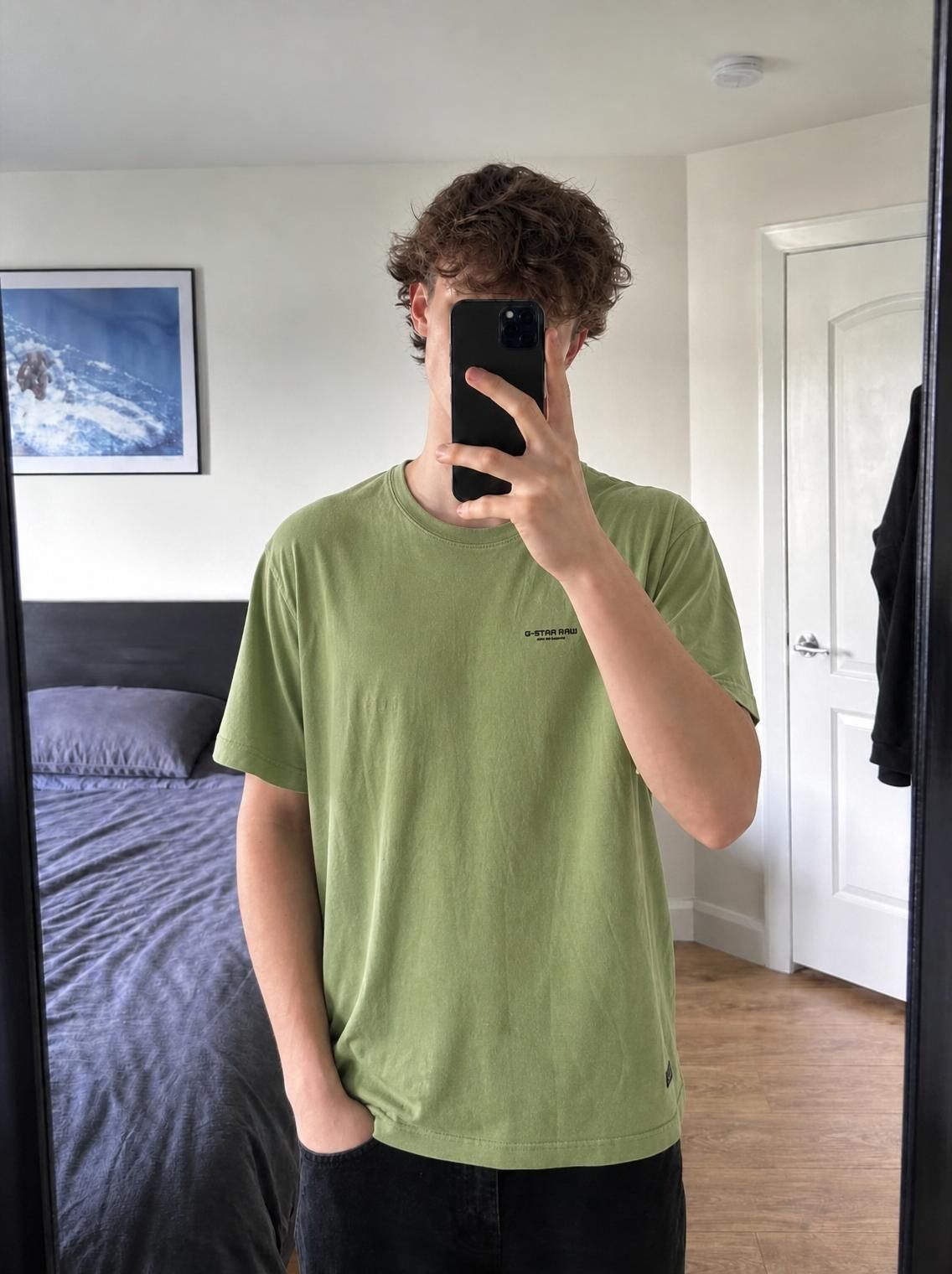
Vintefy turns one phone photo of your actual item into a photo of that item on a realistic model or a clean background, in about 30 seconds. The garment in the image is the garment in your hands, which is the kind of use Vinted says is allowed. Add your own photos of the label and any flaws after it.
Try it on your photoAI for Vinted
Independent guide. Not affiliated with, sponsored by, or endorsed by Vinted. First published 1 August 2026 as a news analysis of the NU.nl investigation.
AI photos on Vinted: answered
Can you use AI photos on Vinted?
Yes, as long as the photo shows your real item accurately. Vinted told NU.nl in July 2026 that using AI to improve lighting, remove backgrounds or enhance photo quality is fine, as long as the product itself is accurately represented. Misleading buyers about the item or its fit can get your account suspended.
Does Vinted allow AI-generated images?
Vinted allows AI that presents your real item, not AI that invents or changes it. Its catalogue rules say listing photos have to represent the item as it is, be taken by you, and never be stock photos or photos from ads. An AI image of a garment you don’t own, or one that changes its color or condition, breaks those rules.
Can you use AI models on Vinted?
Yes, if the garment on the AI model is your actual item, with the same color, pattern, details and a realistic fit. Many sellers use AI models because they don’t want to post photos of themselves. Add plain photos of the real item and any flaws after the model photo.
Can you use AI backgrounds on Vinted?
Yes. Removing a messy room and placing the item on a clean background is one of the uses Vinted told NU.nl is allowed. Keep the item itself unchanged: true color, true shape, every flaw visible.
Can Vinted detect AI photos?
Vinted says it combines automatic detection, human moderators and reports from users to find misleading photos, but it doesn’t explain how the detection works. Its focus is misleading photos, not AI as such. It also says only a small portion of people on the platform use AI in a misleading way.
What happens if you use misleading AI photos on Vinted?
Buyers who receive an item that doesn’t match the photos will open a case or return it, which costs you the sale and your ratings. Vinted also says misleading photos can lead to account suspension.
Do you have to label AI photos on Vinted?
Vinted has no labeling rule for sellers. Since 2 August 2026 the EU AI Act requires AI-generated images on digital platforms to be identifiable as AI-made, with the duty on AI tool makers and the people who generate the images. How it will be enforced for individual sellers is unclear, so a short note in your description is the safe habit.
Can buyers tell if a Vinted photo is AI-generated?
Often, yes. Digital researcher Henk van Ess points to light from two directions, stitching that dead-ends, prints that run straight through folds, and label text that is almost right. For secondhand items, a total absence of wear is also suspicious.
Can I use Vintefy photos on Vinted?
Vintefy starts from a photo of your actual garment and shows that item on a realistic model or a clean background. That is the kind of use Vinted says is allowed, provided the result represents the item accurately. Follow the same rules as any photo: true colors, flaws shown in your own photos, no misleading fit. Vintefy is independent and not affiliated with Vinted.