News analysis AI on Vinted EU AI Act NL · Lees in het Nederlands

AI model photos on Vinted: what’s allowed, what gets you suspended, and why sellers use them anyway.

Dutch outlet NU.nl revealed this week that Vinted sellers are dressing AI-generated models in the clothes they list. Vinted says most AI use is fine, misleading use can cost you your account, and from 2 August the EU AI Act changes the rules again. Here is what actually happened, and what it means for your wardrobe.

Vintefy Editorial 1 August 2026 8 min read Source: NU.nl, 30 July 2026

The short answer

AI photos are not banned on Vinted. The platform explicitly allows AI for improving lighting, removing backgrounds and enhancing photo quality — as long as the product itself is accurately represented. What crosses the line is misleading buyers: a garment that looks different from the real thing, or a fit that is not honest. That kind of use can end in returned parcels and a suspended account.

On Vinted, it is not always clear whether the model wearing a listed item actually exists. An investigation by Dutch tech journalist Rutger Otto at NU.nl, published 30 July, found sellers using AI-generated models to present their secondhand clothing, so they never have to step in front of a camera themselves. Vinted acknowledges it happens but releases no specific figures, and stresses that only a small portion of people on the platform use AI in a misleading way. The story struck a nerve: within two days it had drawn hundreds of reader comments, and it lands one day before new European AI rules take effect.
0

reader comments
on the NU.nl story

0

EU AI Act labeling
rules take effect

0

detection layers:
AI, moderators, reports

0%

of Vinted’s AI usage
figures made public

How experts spot it

Six tells that a model
was never born

Digital researcher Henk van Ess built ImageWhisperer, a tool that explains why an image looks suspicious. For secondhand clothing, he says, the photo is the evidence: you cannot touch the fabric, so the picture and the price are all you get. Flip each card to learn the tell.

Tells as described by Henk van Ess in the NU.nl investigation · no single tell is proof · look for patterns

With secondhand purchases on the internet, the photo is the evidence. You cannot feel it yourself; there is only a picture and a price.

Henk van Ess · digital researcher · in NU.nl

Vinted’s actual position

AI is allowed.
Misleading is not.

The headline of the week sounds like a crackdown. The reality is narrower. Vinted draws one line and draws it clearly: the product must be accurately represented. Everything on the left is fine. Everything on the right can get your account suspended.

Allowed

Improving lighting

Correcting exposure and brightness so the garment reads clearly.

Removing backgrounds

Cutting a busy room out of the shot and placing the item on a clean backdrop.

General enhancement

Tools that sharpen or clean up a photo of the real item.

“As long as the product itself is accurately represented.” — Vinted, to NU.nl

Not allowed

A garment that differs from the real product

Fabric, color or details in the image that do not match the actual item.

A fit that is not quite right

Presenting a drape or silhouette the garment does not actually have.

Hiding flaws or wear

Erasing stains, pilling or damage the buyer would see on arrival.

Misleading photos can lead to account suspension — enforced via automatic detection, moderators and user reports.

There is also a commercial argument against over-polishing, made by AI entrepreneur Remy Gieling in the same piece: AI images often contain small errors, and sellers shoot themselves in the foot with them. When the parcel arrives and the item does not quite match the picture, it goes straight back. A returned order costs the sale, the ratings, and sometimes the account.

In other words, the platform’s rule and the seller’s interest point the same direction: use AI to present the garment beautifully, never to present it differently.

The timing is not a coincidence

From 2 August, AI images
must be labeled.

The NU.nl story broke two days before the European AI Act’s transparency rules take effect. From that date, AI-generated imagery on digital platforms must be clearly identifiable as AI-made, the way Instagram already tags some images.

Whether that changes what buyers see on Vinted is an open question. The obligation sits with tool makers and image creators, not with the marketplace. And enforcement, as Van Ess dryly notes, has no obvious owner: there is no AI police knocking on the door of someone selling a blazer.

What changes, step by step

The rule

From 2 August 2026, the European AI Act requires that AI-generated imagery on digital platforms is clearly identifiable as AI-made.

Who must label

The duty falls on the makers of AI tools and on the people who generate the images, not on the platform where the image ends up. Instagram already labels some AI images.

The open question

Enforcement is unclear. As Van Ess puts it: there is no AI police. National regulators, not Brussels, would pursue cases, and a private seller with one enhanced photo is unlikely to ever hear from one.

The other side of the story

Why a million ordinary
sellers reach for AI

The coverage focused on deception. But talk to the sellers who use AI photography tools and three very human motivations come up again and again.

01 · Privacy

Not everyone wants their body on the internet.

Many sellers, and women in particular, say they are uncomfortable posting photos of themselves wearing the clothes they sell. Unwanted messages and attention from strangers are a real concern on resale platforms. AI model photos let them show how a garment fits without putting themselves in the picture.

02 · Sustainability

Better photos keep clothes in circulation.

Sellers tell us the photography step is where good clothes die: a great jacket with a dull photo never sells and eventually gets donated or binned. When listing takes minutes instead of an awkward mirror-shoot session, more of the wardrobe actually gets resold and worn again.

03 · Results

Presentation moves the needle.

Sellers using AI photography tools report that clearer, on-model photos earn more favorites, more messages and faster sales. It mirrors what every marketplace study shows: the photo is the first thing buyers judge, and on secondhand platforms it is often the only evidence they have.

Seller motivations as reported to Vintefy and in community discussions · individual experiences vary

If you use AI photos

Five rules that keep
your account safe

Vinted’s policy, the EU AI Act and plain commercial sense all compress into the same short list. Follow it and AI photography is an advantage, not a risk.

1.

Keep the garment accurate

The item in your AI photo must be the item the buyer receives. Same color, same fabric, same details.

2.

Never hide flaws

Photograph stains, pilling and wear honestly, and include those shots in the listing.

3.

Show the real item too

Pair your on-model shot with plain photos of the actual garment so buyers can verify condition.

4.

Do not fake the fit

A size M shown draping like a tailored piece invites a return, and returns hurt your account.

5.

Disclose when you can

With the EU AI Act in force, labeling AI imagery is becoming the norm. Being upfront builds buyer trust.

Where Vintefy fits in

The model is generated.
The garment is yours.

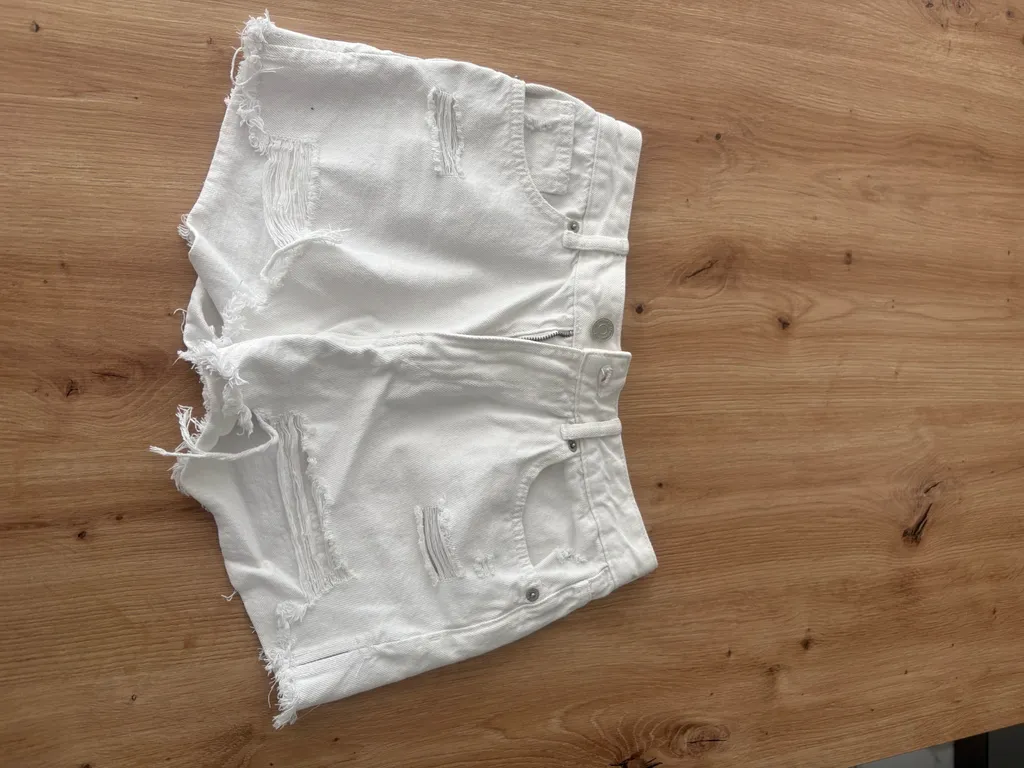
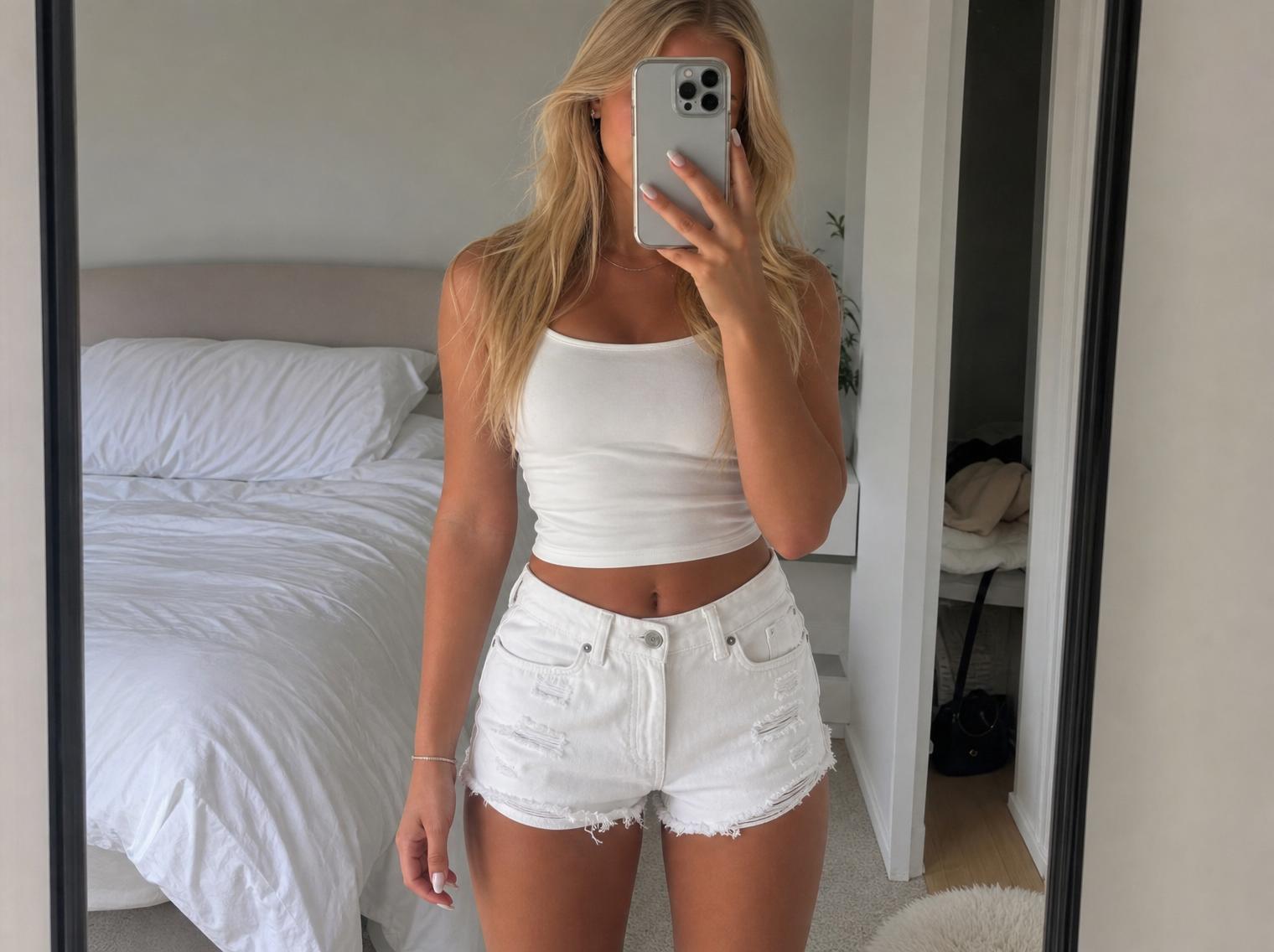
Tools like Vintefy turn one phone photo of your actual item into a studio-quality on-model shot in about 30 seconds. The garment in the image is the garment in your hands — which is exactly the category of use Vinted allows. Sellers using it report more favorites and faster sales, without stepping in front of a camera or hiring a studio.

≈€0.19 per photo  ·  ≈30 seconds  ·  independent tool, not affiliated with Vinted

Original phone photo of a clothing item Phone photo
Vintefy-generated on-model photo of the same item Vintefy output

Questions

AI photos on Vinted: answered

Is AI allowed on Vinted?+

Yes, mostly. Vinted told NU.nl that AI use is allowed as long as the product itself is accurately represented: improving lighting, removing backgrounds and enhancing photo quality are all fine. What is not allowed is misleading buyers, for example showing a garment that differs from the real product or a fit that is not accurate.

Can buyers tell if a Vinted photo is AI-generated?+

It is getting harder, but there are tells. Digital researcher Henk van Ess points to lighting that comes from two directions, stitching that dead-ends, prints that run straight through fabric folds, and label text that is almost but not quite right. For secondhand items, a total absence of wear traces is also suspicious. Tools like his ImageWhisperer analyze images for these signals.

What happens if you use misleading AI photos on Vinted?+

Two things. Practically, buyers who receive an item that does not match the photos will return it, which costs you the sale and your ratings. Officially, Vinted says misleading photos can lead to account suspension, and it uses a combination of automatic detection, human moderators and user reports to find them.

Does Vinted label AI-generated photos?+

Not yet as a rule. From 2 August 2026 the European AI Act requires AI-generated images on digital platforms to be clearly identifiable, but the labeling duty sits with AI tool makers and the people generating the images, not with platforms like Vinted. How strictly it will be enforced for individual sellers is an open question.

Why do sellers use AI model photos at all?+

The most common reasons are privacy, time and presentation. Many sellers do not want photos of their own bodies on the internet. Others cannot produce flattering photos with a phone in a hallway. On-model photos show fit and drape the way buyers want to see them, and better presentation can lead to more clicks and faster sales.

Do AI photos actually help sell on Vinted?+

Better photos can lead to more clicks, more favorites and faster sales, and sellers using AI photography tools report exactly that. The caveat from the NU.nl story matters though: the photo has to match reality. An impressive image of an inaccurate garment ends in a returned parcel and a damaged reputation.

How does Vinted detect misleading AI images?+

Vinted says it combines automatic detection systems, human moderators and reports from users, but declines to explain how the detection works in detail. It also states that only a small portion of people on the platform use AI in a misleading way.

Can I use Vintefy photos on Vinted?+

Vintefy generates on-model photos from a photo of your actual garment, which falls in the same category as the enhancement uses Vinted allows, provided the result accurately represents the item. Follow the same rules as any photo: keep the garment true to life, show flaws separately, and do not misrepresent fit. Vintefy is an independent tool and is not affiliated with Vinted.

Allowed, effective, honest.

AI photos are staying.
Make yours the honest kind.

One phone photo of your real garment becomes a studio-quality model shot, a title and a description. Accurate by construction, beautiful by default.

Upload your first photo

≈€0.19 per photo  ·  ready in ≈30 seconds  ·  no studio needed

AI photos are allowed · make yours accurate

Try Vintefy